
 12 minutes ago
2
Club.noww.in
The people who helped a fintech get off the ground may not be the same people it needs around the board table when it’s looking to expand overseas, secure a banking licence or go public. But how often do fintechs stop to consider whether they’ve outgrown their board?
Helping fintechs build better boards, and helping experienced business leaders develop the skills to sit on them, is a big part of the work of FINTECH Circle and its founder and chair Susanne Chishti.
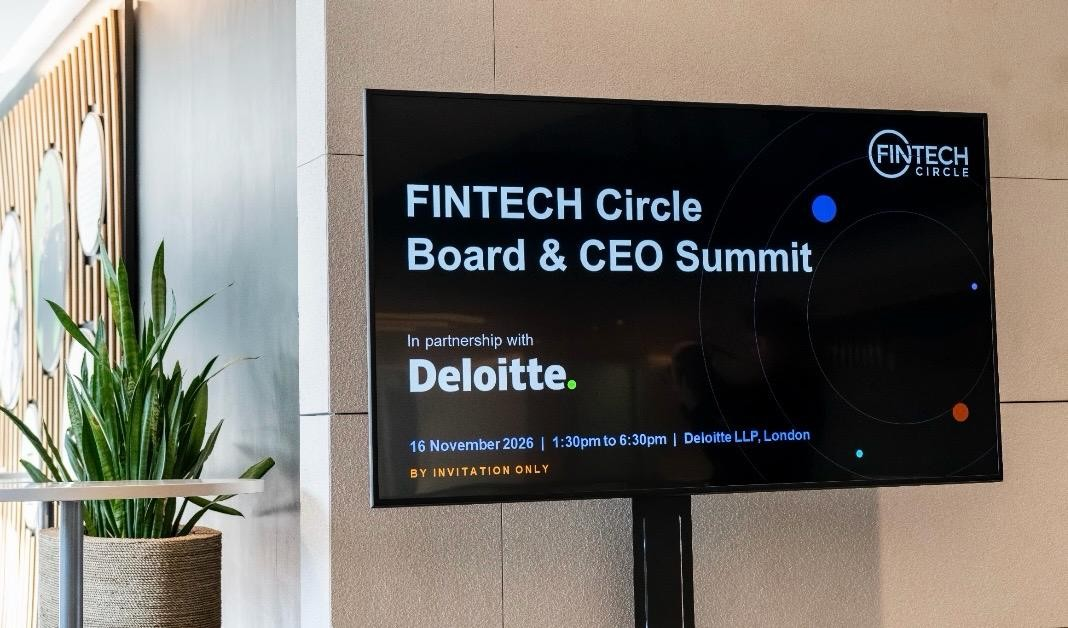
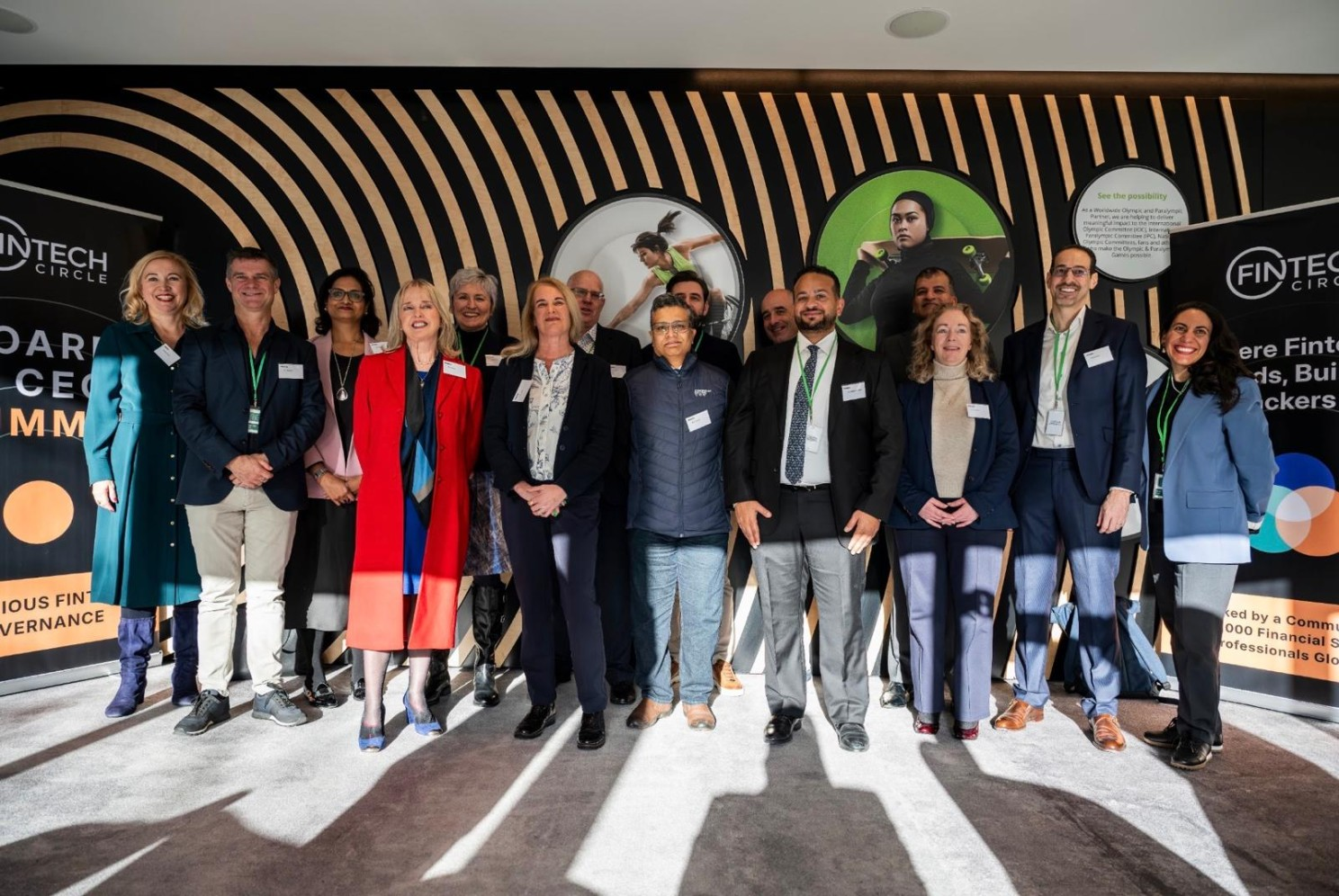
This month, the global fintech investment and professional network hosted its inaugural FINTECH Circle Board & CEO Summit at Deloitte in London. The invitation-only event brought together founders, CEOs, chairs, non-executive directors (NEDs) and executive search specialists, with guests travelling from across Europe and as far afield as Mexico and the UAE.
There was plenty on the agenda, with keynotes from Simon Olsen, equity capital markets partner at professional services firm Deloitte, Charles McManus, co-founder of clearing and embedded banking provider ClearBank, and Husayn Kassai, founder and CEO of AI startup ollo and former CEO of identity verification business Onfido. Panel discussions explored international expansion, whether AI agents could have a place in the boardroom and what headhunters are now looking for when filling board seats.
Following the summit, we caught up with some of the speakers to hear what they think fintech boards are getting wrong and what needs to change as we head into 2027.
More time for growth
For Chishti, one of the biggest changes fintech boards need to make in 2027 is how they spend their time.
“Ring-fence 70 per cent of the board agenda for growth. Look ahead, not back,” she says.
She also wants to see a rethink of what is expected of non-executive directors, with greater focus on financial and AI literacy, cyber awareness and curiosity. Her advice to directors is to “be risk-aware, not risk-averse”.
The balance between growth and governance was also the focus of McManus’s keynote at the summit. His recommendation was to dedicate 35 per cent of the board agenda to talent, culture and succession, 25 per cent to strategy, customers, product and technology, and 10 per cent to international expansion and partnerships.
The idea is to get boards thinking more about where the business needs to be in three years’ time rather than spending much of their meetings reviewing past performance. Routine governance work could be handled by committees, freeing up time for those bigger strategic discussions.
Getting that balance right can become harder as fintechs grow and take on more regulatory responsibilities.
Ann Cairns, chair of cross-border payments provider CAB Payments and global professional services firm TMF Group, points out that fintechs are now attracting a generation of board members who have grown up professionally within the sector.
“These leaders know the importance of strategy while keeping on top of the risks and regulations. Often it’s the latter that take time and energy away from strategic discussions while making the negative headlines,” she says. “It’s an age old balancing act, felt acutely as a business grows.”
Recruiting for the business you want to become
When a director steps down, it can be tempting for fintech boards to look for someone with much the same skills and experience.
“I believe that one of the biggest risks is that boards continue to recruit for the business they have been, rather than the business they are becoming,” says Deborah Cooper, partner at executive search firm Miles Advisory.
Cooper was part of a panel on changing board hiring requirements, chaired by Graham Durgan, chair of the Non-Executive Directors’ Association (NEDA) and executive search firm Audeliss. Joining her were fellow board recruitment specialists Lisa Mazza, senior managing director at Teneo; Julia Fearn, managing partner at Warren Partners; Tory Hyndman, partner at Sainty Hird & Partners; and Tanya Gass, partner and head of board and legal practices at Norman Broadbent.
For Gass, succession planning is an area where many boards could do better. She says boards often approach search firms with narrow, underdeveloped briefs, having given little thought to what the business might need two or three years down the line.
“If boards are open to a true partnership with their search advisers, the brief can be interpreted more creatively,” she explains. “We do try to listen to themes rather than the list of requirements.”
“The most important part of my job is asking ‘Why do you want X, Y, Z? Why don’t you want A, B, C?’”
Directors need a growth mindset too
Recruiting new talent is one way of bringing fresh thinking into the boardroom, but existing directors need to be prepared to learn new skills too.
In a joint discussion following the summit, Khurram Hussain, associate partner at Warren Partners, and colleague Fearn suggested that directors need to be just as willing to adapt as the executive teams they advise.
“What worked at Series A may be entirely wrong for a business preparing for international expansion or an IPO,” they say.
“We talk a great deal about growth mindsets in executive teams but the same must apply to boards. Directors who aren’t prepared to learn new skills, challenge their own assumptions and occasionally unlearn old ones, risk becoming a barrier to the very growth they’re there to support.”
AI is everyone’s business
So, should fintechs be looking to appoint AI specialists to their boards? Gass believes there is a danger in thinking that bringing in one person with the right credentials will do the job.
“You don’t solve AI governance by appointing one AI expert and letting everybody else breathe a sigh of relief,” she says. “AI needs to become part of the collective fluency of the board because it touches strategy, customers, people, risk and ultimately the business model.”
Cooper would also like to see directors give more thought to how they could use the technology themselves.
“We need to move beyond asking whether boards understand AI to whether they are using it to become better boards,” says Cooper.
There were some interesting examples of how fintechs are using AI, and where they have chosen not to, during a panel on managing human and AI intelligence at board level.
Chaired by Hussain, it featured Richard Davies, CEO of challenger bank Allica Bank; Simon Rabin, founder and CEO of savings and investment app Chip; and Clare Francis, remuneration committee chair at global insurance broker Gallagher.
Where AI earns its place
Chishti sees a need to close the gap between how quickly businesses are adopting AI and how well equipped their boards are to oversee its use.
One of the questions she wants fintech boards to be asking in 2027 is what returns the business is getting from its AI investments. But part of that discussion should also be about where AI adds value and where people are better off without it.
In her write-up of the summit, Chishti highlighted how Allica Bank had quadrupled its engineering velocity over 18 months, with teams shrinking from seven or eight people to two or three and the rate of failed changes falling by two-thirds.
Yet there are areas where fintech leaders are deliberately keeping AI out. At Chip, for example, the senior leadership team has banned AI from strategic workshops to encourage people to think through ideas and debate them together.
Knowing when to use AI and when to rely on human judgement is something Hussain and Fearn believe directors will increasingly need to consider.
“As AI becomes increasingly autonomous, boards can delegate its development but not accountability for its consequences, intended or otherwise,” they say. “Human judgement, curiosity and the willingness to challenge established thinking will become more important, not less.”
Knowing where to grow
For UK fintechs with ambitions to become global businesses, having directors with first-hand experience of overseas markets can make a considerable difference.
International expansion was the focus of a panel chaired by Kate Grussing CBE, managing director of executive search firm Sapphire Partners, with Cairns, Mike Walters, co-founder and CEO of payments technology provider Form3; and Isabel Naidoo, chief people officer at global money transfer and payments company Wise.
For Cairns, thinking internationally from day one is particularly important for UK fintechs, given the size of their domestic market compared with that of their US counterparts. She points to Revolut’s global ambitions as something that has set it apart from other UK neobanks.
But where should fintechs go next? And how can their boards help them make that decision?
“Some would say follow the customers, good idea if you have a deep client base which is reaching out across the world. I think you could say follow the flows if you are a payments business,” says Cairns.
“What are the big corridors, where is money flowing to and from, which ones have friction, are less well served, are undergoing transformation, have seen market exits from other players?”
Making the right moves overseas
Form3 and Wise offered two different approaches to overseas expansion during the summit. Form3 bases its market-entry decisions on the priorities of its existing customers, while Wise sends employees into new markets to help establish its company culture, working alongside local recruits.
One particularly useful suggestion from the panel was to write down why the business is entering a market and agree at the outset what would prompt it to pull out. That way, even if the management team or board changes, there is a record of why the decision was made and a means of judging whether it has paid off.
There is also the question of whether to enter a new market through a local partner or secure your own regulatory licences. Partnering can get a fintech into a market more quickly, while obtaining its own licences can give it greater control over its operations.
Cairns also encourages fintechs to consider which of their competitive advantages will stand up to advances in AI.
“What have you got today which is AI proof? That’s the thing that stops others catching up with you quickly,” she says, citing local knowledge, strong relationships with local businesses and regulatory licences as potential advantages.
Helping founders without getting in the way
What do founders themselves want from their boards? Having built and sold identity verification business Onfido, Kassai had plenty of experience to draw on for his keynote.
He made an interesting observation during his keynote: he had never seen a mediocre startup become exceptional because of its board, but he had seen exceptional startups fail because of a mediocre one.
His advice to founders included keeping boards small, prioritising independent directors and those with experience of running businesses themselves, and avoiding surprises.
Teneo’s Mazza has a nice way of describing the role of a non-executive director: “ears in, hands out”.
She believes NEDs need to be good listeners, able to read the room and offer useful advice without distracting the executive team from running the business. They should also bring knowledge from other industries and businesses that could benefit the fintech.
“Chairs need to be available 24/7 to the CEO as a critical friend, supportive challenger and counsel,” she adds.
Preparing for the next stage
Of course, there are also times when supporting a business means having difficult conversations about its leadership. Cairns highlights the particularly tricky question of when a founder should hand over to a professional manager.
“The board who oversaw the startup may not be the same board needed for scale up and governing a multi billion business,” she says.
“Knowing how to govern a privately owned business, or an unregulated one, is a far cry from knowing how to manage a regulated and/or listed company.”
Preparing businesses for a potential exit was another talking point at the summit, with Deloitte’s Olsen exploring the merits of IPOs, trade sales and the UK’s Private Intermittent Securities and Capital Exchange System (PISCES), which offers private companies a way for existing shareholders to sell shares without going public.
His message was that companies need to be ready to take advantage of opportunities when they arise, rather than starting preparations when market conditions improve.
Who is training the board?
With so much being asked of fintech directors, how much time are they spending on their own professional development?
For Durgan, the headhunter discussion highlighted a shortage of chairs with good chairing skills, as well as chairs and NEDs with relevant technology expertise.
“When new technology is fast-forwarding both planning and implementation, the ability to synthesise, and ensure everyone’s views are heard, matters,” he says.
He would like to see more directors undertake training in new technologies, refresh their knowledge of their regulatory obligations and develop their chairing skills. He also sees value in directors having a professional community where they can share experiences and learn from one another.
It’s something FINTECH Circle is working on through its Board Programme, which caters for senior professionals looking to secure their first or next board appointment, as well as existing directors looking to build their fintech knowledge.
Alongside training in areas such as governance, AI, fraud, cyber risk and growth strategy, the programme gives members the opportunity to put their skills to use through its Pop-Up Boards initiative.
Fintech scaleups can apply for a complimentary 90-minute board session with experienced chairs, NEDs and investors to get an outside perspective on decisions they are grappling with, whether that’s entering a new market, raising investment or managing a leadership change.
Making better decisions
The summit wrapped up with a fireside chat between Patrick Dunne OBE, author of Boards and founder of board consultancy BoardDelta, and Jenny Knott, chair of the audit committee at the British Business Bank, the UK’s government-owned economic development bank, on what makes a world-class fintech board.
Among the talking points were how boards could make fewer but better decisions, how to make better use of the time directors spend together in person and the importance of a good working relationship between the chair and CEO.
An interesting analogy from the discussion was the move from maps to sat navs when it comes to board decision-making. Rather than relying solely on annual budgets and five-year plans, boards need to be able to adjust their plans as circumstances change.
How well directors work together was a recurring theme throughout the summit and something Miles Advisory’s Cooper believes chairs should give more thought to when considering their board’s make-up for 2027.
“Chairs should be asking whether they have the right combination of commercial experience, technology awareness, governance expertise, diversity of thought and, importantly, the curiosity and adaptability to remain relevant,” she says.
“Ultimately, it’s not just about who sits around the board table, but how effectively they think, challenge and work together.”
The post Is Your Fintech Outgrowing Its Board? Rethinking What Makes a Good Director appeared first on The Fintech Times.


 English (US)